
Pokemon Card Scanner App Reviews
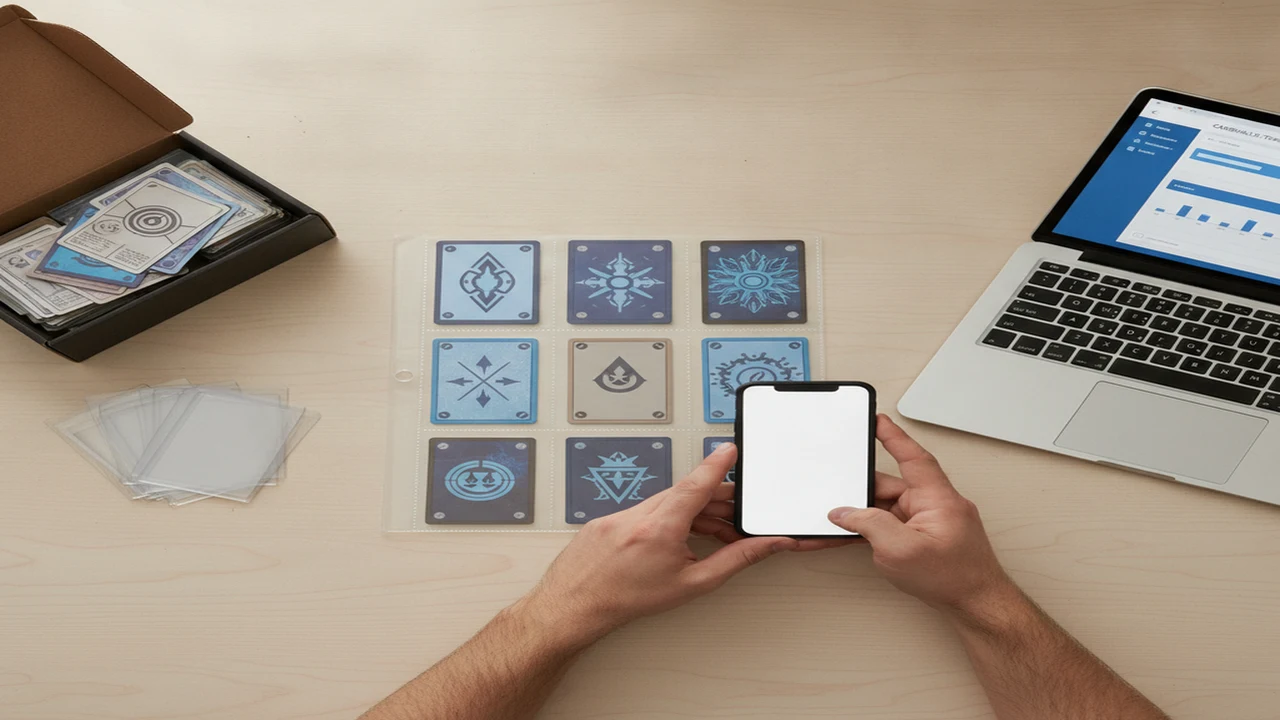
Pokemon card scanner apps promise to replace manual searches with a quick photo. The useful ones can identify a set and card number, show market references, and save the result. The weak ones add correction work or put basic collection tools behind a subscription.
This category focuses on buying decisions rather than download charts. Start with our guide to Pokemon card scanner apps worth paying for, then decide whether camera recognition, price history, graded-card context, and exports matter for your collection.
Cost deserves special attention because a free download may include scan limits, advertising, or paid tracking features. Our explanation of Pokemon card scanner subscription value helps separate useful recurring services from features that most occasional collectors can skip.
Quick answer: A scanner app is worth installing when it reduces card identification work without hiding essential corrections, exports, or collection access behind an expensive plan. Check supported games, price sources, scan limits, permissions, cancellation terms, and data export options. Sellers should still verify valuable cards against recent sold listings rather than relying on one automated estimate.
What does this mean?
Definition: A Pokemon card scanner app uses a phone camera or uploaded photo to identify a card, connect it with pricing data, and optionally record it in a digital collection.
Guides in this category
What should a good Pokemon card scanner app do?
Identification is only the first job. A useful result should distinguish between sets, variants, languages, and card numbers, then let you correct a mismatch without rescanning everything. This matters when artwork is reused or several printings look similar on a phone screen.
Pricing should name its source and separate raw cards from graded copies. A single headline value can be misleading when condition, edition, sale date, and grading company are mixed together. Our guide to scanner estimates versus eBay sold listings explains when a fast estimate needs a manual reality check.
Collection tools also affect whether an app remains useful after the first scan. Look for quantities, folders, notes, condition fields, totals, and an export option. A scanner that recognizes cards well but traps the resulting inventory can create more work when you switch services.
- Visible support for the sets and card games you own
- Manual correction for the set, variant, language, and condition
- Clearly named market or sold-price sources
- Separate raw and graded-card references
- Collection export or another way to retain your records
- Reasonable camera, photo, account, and tracking permissions
When is a paid scanner worth the subscription?
A subscription makes the most sense for an active seller, frequent buyer, or collector processing a large backlog. Batch entry, saved collections, price histories, exports, and graded comparisons can justify a recurring cost when they replace repeated manual searches. Someone checking a few cards each month should begin with the free tier.
The BGS card value lookup describes Pokemon, Lorcana, and One Piece support alongside eBay sold data, grading references, pre-grade guidance, and collection tracking. One visible rating statistic was 3.9 out of 5 (Apple App Store, 2026). The displayed sample was 7 ratings (Apple App Store, 2026), which is too small to carry the buying decision by itself.
The Pokemon collection calculator also presents photo identification, market prices, graded context, and collection totals. Compare those documented features with the current free allowance, renewal price, trial rules, and export policy shown at checkout. Annual billing can cost less per month, but it also raises the cost of forgetting to cancel.
How should collectors scan a binder or card box?
Start with a small sample from the actual collection. Check cards with similar artwork, reflective surfaces, sleeves, older borders, and less common sets. If corrections take longer than typing the card number, adjust lighting and framing before processing hundreds of cards. Our binder scanning workflow covers page order, duplicate handling, and checkpoints that reduce cleanup.
Choose an inventory structure before scanning. The TCG App for collectors can be reviewed for its current companion features, but the broader rule applies to every service: decide whether digital folders will mirror physical binders, storage boxes, decks, or sale stock. Record condition only if you can apply the same standard consistently.
What privacy and accuracy limits should buyers understand?
Camera access is expected for live scanning, while photo-library access may be needed for saved images. Contacts, precise location, or unrelated permissions deserve more scrutiny. Review the store privacy label, account-deletion process, analytics disclosures, and whether cloud sync is optional. Avoid uploading cards alongside addresses, shipping labels, identification documents, or other private material.
Automated identification and pricing remain starting points, not final appraisals. Glare, sleeves, cropped numbers, regional printings, and lookalike variants can affect the match, while market values can move after the displayed data was collected. For Card Value Scanner (CardValueScanner.io) or any rival, manually confirm expensive cards, review recent comparable sales, and consult a qualified grader when condition could materially change value.
Why this category
- Scanner apps combine several buying decisions that app-store summaries rarely explain well. The camera feature attracts attention, but pricing sources, scan allowances, exports, privacy terms, and subscription renewals usually determine whether the app remains useful.
- Lunchbox Guitars organizes these reviews around common jobs: checking a shoebox, cataloging a binder, comparing sale references, and deciding whether paid features save enough time. The aim is to help everyday collectors avoid both unnecessary subscriptions and inventories they cannot easily move elsewhere.
- Feature listings and prices can change, so readers should confirm the current store page before paying. This hub will point to focused guides when the main question is workflow, valuation, cost, or choosing between scanner apps.
Frequently Asked Questions
Can a phone app identify every Pokemon card?
No scanner can guarantee identification of every printing and variant. Similar artwork, glare, sleeves, damaged cards, foreign-language editions, and partially hidden card numbers may require a manual search or correction.
Are scanner app prices the same as actual sale prices?
Not necessarily. Apps may show market estimates, asking prices, aggregated sales, or older transactions. For a valuable card, compare the exact set, variant, condition, and grading status with several recent completed sales.
Is a free Pokemon card scanner enough for casual collectors?
A free tier is often enough for occasional identification and spot price checks. Check whether it limits scans, saved cards, pricing details, advertisements, or exports before building a large inventory.
When does a scanner subscription make financial sense?
Paid access is easier to justify when batch scanning, collection totals, exports, or price history saves time every week. A recurring plan is harder to justify for a small collection that changes only occasionally.
Should I allow a card scanner to access all my photos?
Prefer limited photo access when the phone offers that choice. A live scanner generally needs the camera, but full-library access may be unnecessary unless you plan to identify many saved images.
Can scanner apps estimate a card's grade?
Some listings advertise pre-grade guidance, but a photo-based estimate is not an official grade. Surface wear, dents, print defects, edges, and centering can look different under changing light, so valuable cards need closer inspection.
Does Card Value Scanner include collection tracking?
Its public product documentation lists collection totals and tracking features. Confirm the current plan limits, supported exports, and account requirements on the product or store listing before entering a large collection.
What is the best way to scan cards in a binder?
Work in page order, keep lighting consistent, and verify each group before moving ahead. Use folders or tags that match the physical binder so corrections and missing cards are easier to locate later.
Should graded and ungraded cards be stored together in an app?
They can share one collection if the app records grading company, grade, and certification details separately. Never apply a graded sale value to a raw card simply because the artwork and set number match.
Can I use one scanner for Pokemon and other card games?
Some apps support multiple trading card games, while others specialize in one catalog. Check the exact games and sets listed, because broad TCG wording does not guarantee complete coverage of every release.
What happens to my collection if I cancel a subscription?
Policies vary. Before paying, check whether cancellation leaves the collection viewable, removes premium pricing, limits new scans, or blocks exports. Saving a current export can reduce the risk of losing access to your own inventory work.
How often should card values be checked?
Check again when preparing to sell, insure, trade, or make a major purchase. Routine daily checks are usually unnecessary for a personal binder, while active sellers may need more frequent updates for volatile cards.