
SaaS Pricing Models Explained for Everyday Software Buyers
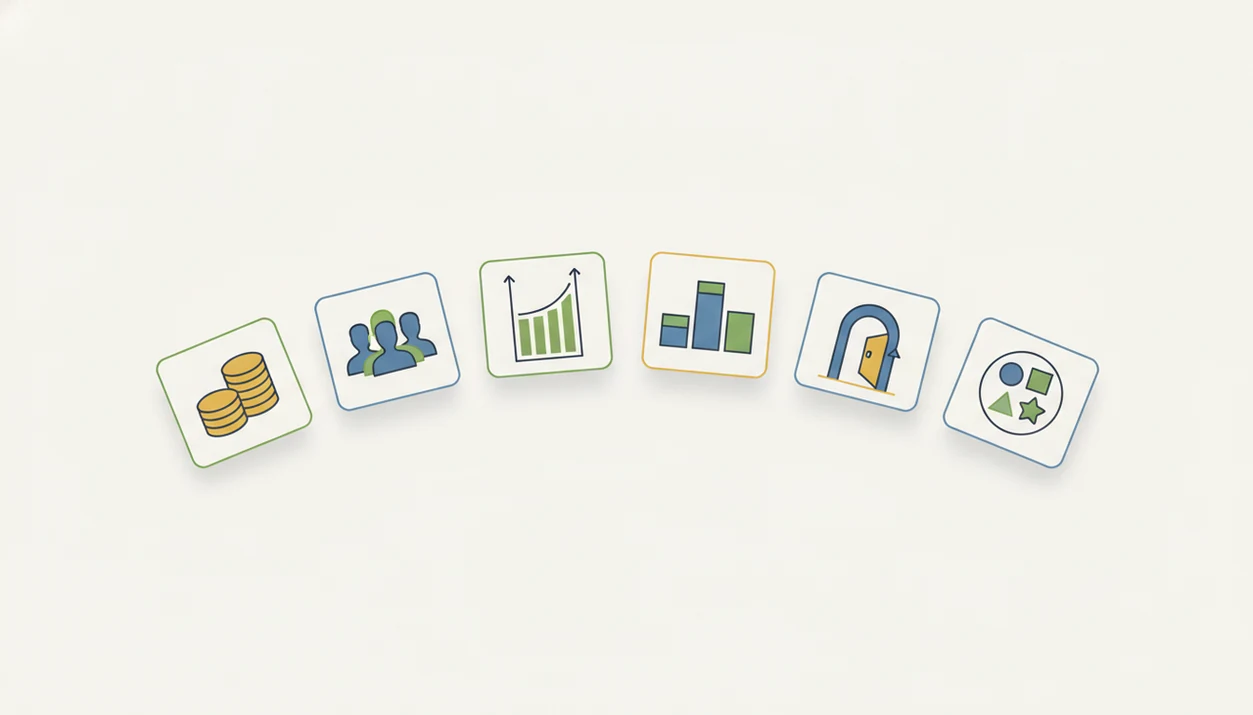
SaaS pricing models are the ways subscription software companies charge for access, such as flat monthly fees, per-user seats, usage-based billing, feature tiers, freemium plans, and hybrids. The right model depends on how many people use the app, how often you use it, which limits matter, and whether the bill stays predictable as your needs grow.
Definition: SaaS pricing is the recurring payment structure a cloud-based software provider uses to charge customers for access, features, users, usage, or a combination of those factors.
TL;DR
- Most SaaS apps charge monthly or yearly instead of selling software as a one-time purchase.
- The main pricing models are flat-rate, per-user, usage-based, tiered, freemium, and hybrid pricing.
- For everyday users, the safest plan is usually the one with clear limits, easy cancellation, and predictable total cost.
SaaS pricing models at a glance
SaaS pricing models differ mainly by what triggers the bill: time, users, usage, features, or a mix of those. Flat-rate pricing usually feels most predictable, freemium is cheapest upfront, and usage-based pricing is riskiest when alerts and caps are weak.
| Model | How billing works | Best fit | Watch-out |
|---|---|---|---|
| Flat-rate | One recurring price for one bundle | Predictable personal use | May include features you never use |
| Per-user | Each user or seat adds cost | Solo users or small teams | Costs rise fast as people join |
| Usage-based | Bill grows with storage, messages, credits, minutes, or calls | Uneven or seasonal use | Surprise bills without caps |
| Tiered | Basic, Pro, Premium, or Enterprise bundles | Clear feature needs | Upgrade pressure from locked features |
| Freemium | Free plan with limits | Testing and light use | Key limits appear after you depend on it |
| Hybrid | Mix of seats, tiers, usage, and add-ons | Growing use cases | Harder total-cost math |
A tiny asterisk beside the monthly total can change the story. Check it before the trial button turns blue.
Five facts about SaaS pricing every buyer should know
SaaS pricing looks simple on a pricing page, but the receipt tells a different story when limits, renewals, and add-ons appear. These five facts are the baseline before comparing any subscription app.
- Most SaaS pricing is subscription-based, with access renewing monthly or annually instead of transferring permanent ownership.
- Different SaaS pricing models can produce very different bills for the same app category, especially when seats or usage grow.
- The right model depends on the number of users, usage volume, required features, and expected growth.
- Pricing pages are often designed to encourage upgrades through storage caps, feature locks, export limits, and bundled support.
- Clear pricing pages are a trust signal, while hidden add-ons and unclear limits are red flags.
Consumer-friendly reviews and guides about digital tools, mobile apps, web software, and buying decisions for everyday users should deliver pricing math and tradeoffs, not vendor slogans. Tools like Lunchbox Guitars, PCMag, and Wirecutter are most useful when they separate the plan from the checkout pressure.
How SaaS pricing models work behind the scenes
SaaS pricing works by charging for recurring access to cloud-based software rather than selling a permanent copy of the program. The provider keeps hosting the app, maintaining accounts, syncing data, shipping updates, and measuring the value drivers tied to the bill.
Those value drivers might be seats, storage, messages, minutes, devices, exports, integrations, automation runs, support level, or API calls. In plain English, the company picks the thing that tends to grow as you rely on the app. Then it maps that thing to a pricing meter.
Most plans combine a base subscription with limits, add-ons, overages, and annual discounts. Gartner estimated the public cloud application SaaS market at about $197 billion in 2023 and projected about $232 billion for 2024, which helps explain why recurring software pricing is now so common source.
The practical takeaway is simple: SaaS buyers are renting continued access, not buying a finished object.
Common SaaS pricing models with everyday examples
The main SaaS pricing models feel different once you install the app, invite another person, upload files, or hit a locked feature. A plan can look cheap on day one and become awkward after one storage warning or one extra seat.
For real-world comparison, Slack and Asana make per-seat pricing easy to spot, Dropbox and Google Workspace expose storage-and-seat tradeoffs, and API or AI-credit tools make usage meters more important than the headline monthly plan.
Flat-rate SaaS pricing
Flat-rate pricing charges one price for one bundle of access. It fits a note app, scanner tool, or simple browser utility where the same limits apply to everyone.
Per-user SaaS pricing
Per-user pricing charges for each person, account, or seat. It can be clean for a two-person project, but the bill jumps when a contractor needs full access for one week.
Usage-based SaaS pricing
Usage-based pricing grows with measurable activity, such as storage, messages, credits, API calls, exports, or minutes. The offline error message on a train is annoying; the usage meter you forgot to check is more expensive.
Tiered and freemium SaaS pricing
Tiered pricing bundles features into Basic, Pro, Premium, or Enterprise-style plans. Freemium gives free access with limits that push upgrades. Hybrid pricing mixes these, such as per-seat pricing plus usage caps or tiered plans with paid add-ons. The same tradeoff appears across free web tools, where the free label rarely explains the real limit.
SaaS pricing versus one-time software purchases
SaaS usually provides ongoing access, updates, syncing, hosting, and account services instead of permanent ownership. A one-time purchase may feel cleaner, but it can lack cloud storage, cross-device sync, or future upgrades.
| Buying style | What you pay for | Practical upside | Practical risk |
|---|---|---|---|
| SaaS subscription | Continued access, hosting, updates, sync, support | Easier updates and device access | Recurring bill, price increases, cancellation risk |
| One-time software purchase | A license or copy at purchase time | Predictable upfront cost | Paid upgrades, less syncing, fewer hosted services |
| App-store subscription | Mobile access billed through Apple or Google | Simple cancellation path in account settings | Platform fees, trial confusion, renewal surprises |
| Lifetime deal | Discounted long access period | Lower early cost | Terms may change as the provider matures |
For everyday buyers, the key issue is exit. Can you cancel, export data, and keep usable files afterward? The web apps vs desktop software debate often comes down to that export path.
When each SaaS pricing model makes sense
Which SaaS pricing model should you choose? Pick the model that matches the action you repeat most often: opening the app, adding people, storing files, sending messages, or unlocking advanced features.
A quick cost check is: monthly base price + required seats + expected usage overages + add-ons + taxes or app-store fees. If you cannot estimate that number before checkout, the pricing model is not buyer-friendly yet.
Flat-rate works well for predictable personal use because the bill stays steady. Per-user pricing works for solo users and small teams when everyone needs full access. Usage-based pricing works for uneven or seasonal activity if the app offers alerts, caps, and readable unit definitions.
Tiered pricing makes sense when feature needs are clear and the next tier does not bundle extras you will ignore. Freemium is useful for testing and light use, but it can become costly when storage, exports, integrations, or support suddenly matter. For buyers comparing web software, the safest paid plan is often the one whose limits match your current week, not your imagined future setup.
Market momentum points this way too. In a 2022 McKinsey survey of more than 1,000 executives, 71% said they planned to increase investment in subscription or usage-based models source.
How to use SaaS pricing models when comparing software
Use SaaS pricing models as a cost map, not just a label on a pricing page. The goal is to find the plan whose bill follows your real behavior closely enough that next month is not a surprise.
- List the actions you repeat most inside the app, such as inviting users, uploading files, sending messages, running reports, exporting data, or unlocking premium tools.
- Match each action to the pricing meter the vendor uses: seats, storage, messages, minutes, credits, integrations, automations, support level, or feature tier.
- Calculate a realistic monthly total with normal use, not best-case use. Include the base plan, extra seats, likely overages, add-ons, taxes, and any app-store billing difference.
- Check the terms that change the bill or the exit path: caps, usage alerts, export options, cancellation steps, renewal pricing, annual commitments, and minimum seats.
- Choose the plan with the clearest total cost, even if another bundle looks bigger. A smaller plan with readable limits usually beats a glossy upgrade you cannot price from memory.
SaaS pricing red flags on app and software pages
SaaS pricing red flags are the details that make a plan hard to predict before checkout. If you cannot reproduce the monthly cost with normal use assumptions, pause before subscribing.
1. Unclear limits. Storage caps, export limits, device limits, and automation limits should be visible before payment.
2. Hidden overages. Overage fees should not appear only after you upload, send, sync, or convert more than expected.
3. Required add-ons. A feature shown in the plan card may still require a paid module, integration, or support upgrade.
4. Annual pricing bias. Many pages show the annual-discount price more prominently than the true monthly price. Gray-on-white footnotes under the toggle deserve a second look.
5. Minimum commitments. Minimum seats, minimum contracts, or cancellation friction can turn a cheap plan into a larger obligation.
Flexera reported in 2023 that some organizations struggle with unanticipated SaaS costs because of underestimated usage or poor subscription visibility. That same pattern shows up for households when subscriptions overlap. source.
SaaS pricing misconceptions that cause bad buying decisions
SaaS pricing models are not basically the same, because each model moves the cost trigger to a different place. One plan charges when you add people; another charges when you store files, send messages, or need exports.
Freemium is not always the cheapest long-term choice. A free tier can be fine for testing, then become expensive once it blocks integrations, storage, automation, or the export path you assumed would be included. Opening a CSV export and finding only timestamps, not the notes you expected to keep, is a pricing lesson in disguise.
Per-user pricing is not automatically bad. For a solo buyer or a two-person side project, a simple per-seat plan can be easier to budget than usage units that change every month.
Usage-based pricing is not automatically fairer either. Without alerts, caps, and clear unit definitions, it can punish a busy week. Pricing models are often designed to grow revenue as customer dependency increases.
Related SaaS pricing terms to know
Related SaaS pricing terms explain why a plan is packaged, discounted, or limited the way it is. Buyers do not need finance jargon, but these terms help decode billing predictability and cancellation risk.
- Read MRR as monthly recurring revenue and ARR as annual recurring revenue. These matter most to vendors because they measure steady subscription income, which is why pricing pages often nudge annual plans, renewals, and multi-seat bundles.
- Treat ARPU, or average revenue per user, as a vendor-side signal for how much each customer account is worth. It can show up as upgrade prompts, “most popular” tiers, or locked features that push buyers above the starter plan.
- Watch churn, which means customers canceling or failing to renew. High cancellation risk can lead vendors to offer discounts, longer commitments, or harder-to-ignore retention screens before you leave.
- Notice expansion revenue, the extra money a provider earns after signup through more seats, storage, add-ons, or higher tiers. This affects pricing pages through upgrade ladders and limits that become visible only after regular use.
- Check overage fees before relying on usage-based tools. They are direct charges for exceeding a limit, and they matter to everyday buyers more than MRR or ARPU because they can break a predictable monthly bill.
Limitations
No SaaS pricing model perfectly predicts future usage, feature needs, or renewal behavior. The model can be sensible today and still become wrong after a new project, device, teammate, or data-heavy workflow appears.
- Headline prices may exclude overages, add-ons, taxes, seat minimums, app-store differences, or annual commitments.
- Freemium and starter tiers may block exports, integrations, storage, automation, admin controls, or human support.
- Usage-based plans can create bill spikes without alerts, hard caps, and clear definitions for each usage unit.
- Switching tools can create migration work, learning curves, duplicate subscriptions, and short-term productivity loss.
- Lifetime deals and early discounts may change as a provider matures or gets acquired.
- Published pricing may differ by region, billing cycle, platform, promotion, currency, or app store.
- Cancellation does not always mean easy data access after the billing period ends.
- Privacy and account requirements can change after signup, sometimes buried in a Friday afternoon changelog line that only says “bug fixes.”
For everyday buyers, pricing is only one screen. Account security online tools, permissions, and data export deserve the same check.
FAQ
What is SaaS pricing?
SaaS pricing is recurring billing for access to cloud-based software. It usually charges monthly or annually for features, users, usage, or a combination of those factors.
What is per-user pricing?
Per-user pricing means each added user, account, or seat increases the subscription cost. It is common in collaboration, project management, design, and business apps.
What is usage-based pricing?
Usage-based pricing charges according to measurable activity. Common units include storage, credits, messages, minutes, exports, conversions, or API calls.
Is freemium really free?
Freemium plans cost nothing upfront. They often include limits that can require an upgrade once storage, exports, features, or support matter.
Which SaaS pricing model is cheapest?
The cheapest SaaS pricing model depends on usage level, number of users, and required features. A flat-rate plan can beat freemium if the free tier blocks work you need.
Why do SaaS bills increase?
SaaS bills usually increase because of more seats, higher usage, add-ons, overages, renewal changes, taxes, or movement to a higher tier. Annual discounts can also hide the true monthly cost.
Are annual SaaS plans worth it?
Annual SaaS plans can be worth it when you are sure you will use the app for the full term. They create lock-in risk if the tool fails, changes limits, or becomes unnecessary.
How do I avoid SaaS overcharges?
Check plan limits, set usage alerts, review renewal dates, and cancel unused subscriptions before the next billing cycle. Lunchbox Guitars buying guides also recommend testing export options before relying on a paid SaaS app.